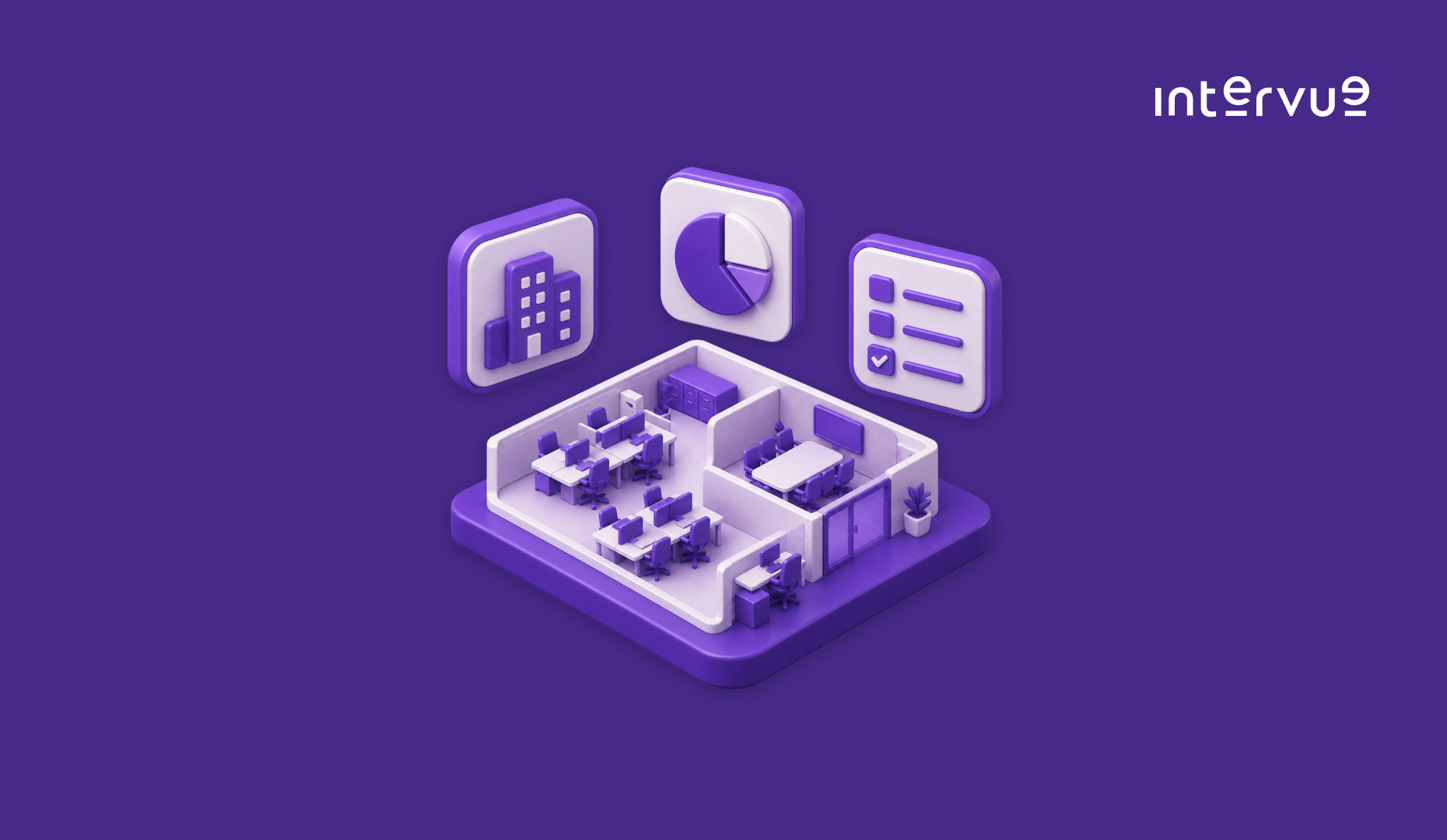
The best office space management software in 2026 gives facilities and real estate teams the data they need to make lease decisions, not just the tools to book a desk. Beyond day-to-day scheduling, these platforms track occupancy trends over time, model floor plan changes before they happen, and help companies right-size their real estate footprint as hybrid work patterns settle in. Here's how the top platforms compare.
1. OfficeSpace Software
OfficeSpace Software pairs desk and room booking with detailed space planning tools, letting facilities teams model floor plan changes on the same map employees use to book a desk.
- Drag-and-drop floor plan editor for modeling office reconfigurations
- Move management workflows for reorganizing teams across floors
- Occupancy analytics feeding directly into real estate and lease decisions
Best for: Facilities teams managing both space planning and day-to-day booking
Pricing: Contact for pricing
2. Eptura (iOFFICE + SpaceIQ)
Eptura combines the formerly separate iOFFICE and SpaceIQ platforms into a broad workplace and asset management suite, covering space planning alongside maintenance and asset tracking.
- Integrated asset and maintenance management alongside space planning
- Scenario modeling to compare footprint options before committing to a lease change
- Enterprise-grade reporting for multi-site real estate portfolios
Best for: Enterprises managing space planning, assets, and maintenance together
Pricing: Contact for enterprise pricing
3. Archibus
Archibus is a long-established, deeply configurable space management platform commonly used by large institutions and enterprises with complex real estate portfolios.
- CAD-integrated floor plans for precise, architecture-grade space data
- Lease administration tools tracking key dates, terms, and obligations
- Highly configurable reporting for large, multi-building portfolios
Best for: Large institutions and enterprises with complex, multi-building portfolios
Pricing: Contact for enterprise pricing
4. Robin
Robin's workplace analytics layer extends beyond desk and room booking into occupancy trend reporting, useful for mid-sized companies that don't need full CAD-level space planning.
- Occupancy analytics showing actual usage versus booked capacity
- Heatmaps identifying underused zones by floor and department
- Booking and analytics on the same platform, reducing data reconciliation
Best for: Mid-sized companies wanting occupancy insight without full CAD tools
Pricing: Contact for pricing; typically starts around $75/month for small offices
5. Envoy
Envoy extends its visitor management and desk booking platform into basic space utilization reporting, appealing to companies that don't want a separate, heavier space planning tool.
- Utilization reporting tied to the same desk and room booking data
- Visitor and employee attendance patterns in one combined dashboard
- Simple setup without CAD or architectural drawing requirements
Best for: Companies wanting lightweight utilization data without a dedicated space planning tool
Pricing: Contact for pricing; typically starts around $2/employee/month
6. Tactic
Tactic bundles space utilization analytics with its broader desk and room booking platform, aimed at fast-growing hybrid companies making early real estate decisions.
- Utilization dashboards broken down by team and day of week
- Forecasting tools estimating future space needs based on headcount growth
- Combined booking and analytics reducing the need for a separate reporting tool
Best for: Growing hybrid companies planning future office footprint needs
Pricing: Contact for pricing; typically starts around $2.50/user/month
7. Convene
Convene focuses on flexible and managed office spaces, offering space management tools tailored to companies running coworking-style environments or managing shared client spaces.
- Membership and billing tools tailored to flexible or managed workspace operators
- Space utilization reporting across multiple tenants or client accounts
- Event and meeting space booking alongside day-to-day desk management
Best for: Coworking operators and companies managing flexible or shared office spaces
Pricing: Contact for pricing
How to Choose the Right Office Space Management Software in 2026
Match the platform's depth to your real estate complexity: a single office with straightforward hybrid scheduling rarely needs CAD-integrated tools like Archibus, while multi-building enterprise portfolios benefit significantly from that level of precision. Prioritize occupancy analytics over booking features if your primary goal is informing lease renewal or downsizing decisions, since the data quality matters more than the booking interface for that use case. Confirm whether utilization reporting comes bundled with day-to-day booking or requires a separate reporting layer, since reconciling data across two systems adds unnecessary overhead. As your headcount planning ties office footprint to hiring targets, keep the hiring side equally data-driven; Interview as a Service from Intervue gives structured, consistent technical interview data to match.
Frequently Asked Questions
What is office space management software and how is it different from desk booking?
Office space management software includes desk and room booking but goes further, adding floor plan modeling, occupancy analytics, and reporting used to inform real estate decisions like lease renewal or office consolidation. Desk booking alone solves day-to-day scheduling, while space management software also answers strategic questions about how much office space a company actually needs.
Do I need CAD integration for office space management software?
CAD integration matters primarily for large institutions or enterprises with complex, multi-building portfolios where architectural precision affects planning decisions. Smaller and mid-sized companies generally get sufficient value from platforms like Robin or Tactic that offer occupancy analytics without requiring CAD-level floor plan data.
How does office space management software help with real estate decisions?
These platforms track actual occupancy against booked or assigned capacity over time, giving facilities and finance teams data to justify lease renewals, downsizing, or office consolidation decisions with evidence rather than guesswork. Trend reporting across weeks or months typically reveals patterns, like consistently underused floors, that aren't visible from booking data alone.
Final Thoughts
Office space management software has become a genuine input into real estate strategy, not just a convenience for booking a desk, as hybrid work patterns push companies to make evidence-based decisions about their footprint. The right platform depends on portfolio complexity and how much you're relying on occupancy data for lease decisions rather than day-to-day scheduling alone. Get Started with Intervue to make sure your headcount planning is backed by an equally structured, data-driven hiring process.